Packaging
10 de nov. de 2025
Advanced virtual collaboration tools (VR meetings, digital whiteboards). No-code/low-code customization for tailored workflows.
Packaging
10 de nov. de 2025
Advanced virtual collaboration tools (VR meetings, digital whiteboards). No-code/low-code customization for tailored workflows.
As global industries continue to shift toward greener practices, logistics stands at the center of the sustainability revolution. The way goods are transported, stored, and delivered is evolving rapidly — driven by innovation, technology, and environmental responsibility. In 2025, five key trends are shaping the future of sustainable logistics and redefining how businesses move toward a cleaner, more efficient future.
Logistics is one of the largest contributors to global carbon emissions, but it’s also one of the sectors with the greatest potential for positive change. From electric fleets to smart data systems, sustainability is no longer just an option — it’s a strategic priority. Companies embracing these advancements are not only reducing their environmental footprint but also gaining a competitive edge through efficiency and innovation.
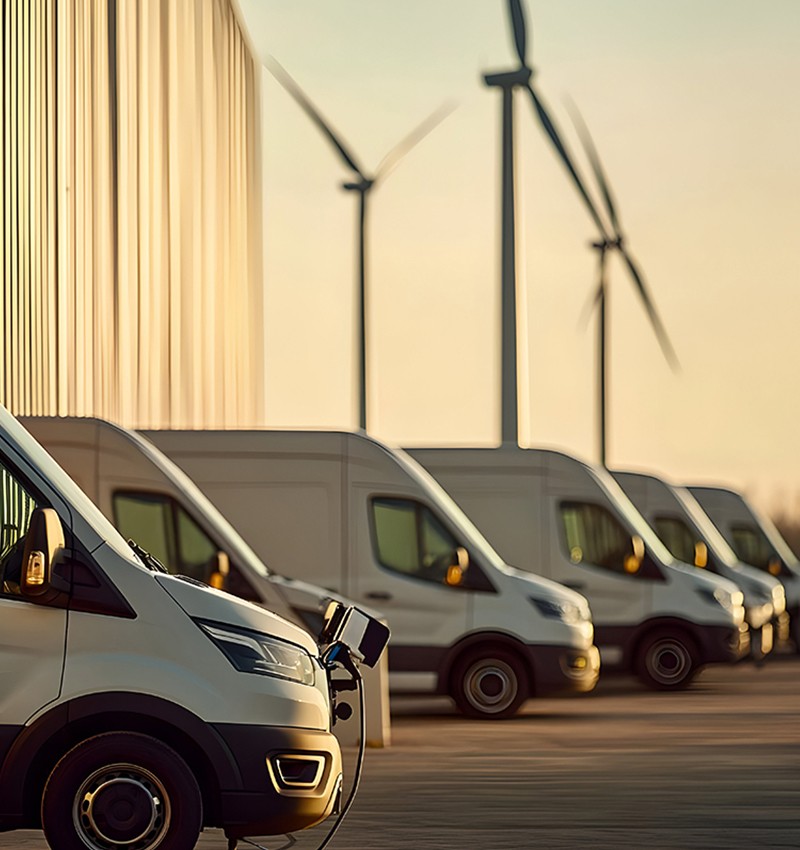
Electric and Alternative-Fuel Fleets
Green Warehousing and Infrastructure
AI-Driven Route Optimization
Circular Supply Chain Models
These trends are reshaping logistics into a smarter, cleaner, and more responsible industry. Companies adopting sustainable solutions are reporting reduced emissions, lower operational costs, and improved brand reputation — proving that eco-efficiency benefits both the planet and the bottom line.

The future of logistics is green, connected, and intelligent. As we move through 2025, the focus on sustainability will continue to grow — turning innovation into impact. By investing in clean technologies, circular systems, and digital transformation, logistics leaders can drive progress toward a more sustainable and resilient global supply chain.